Is Bamboo Toilet Paper Better?
(This post contains affiliate links, which means I may receive a small commission at no extra cost to you)
On the surface, traditional toilet paper seems pretty unproblematic. I mean, it’s just paper, right? But when you really look into it, your average roll of toilet paper has a number of genuine problems that are not aligned with sustainable living.
From the unnecessary plastic packaging, contribution to deforestation, excessive energy/water use while manufacturing, and the use of nasty chemicals like bleach, there are plenty of reasons why toilet paper is not created with the wellbeing of you, or the planet, in mind.
This post explains exactly how and why bamboo toilet paper is better than traditional toilet paper, both in terms of promoting sustainability, and for your personal health. I will also give my honest review of the popular toilet paper brand Who Gives a Crap, so you know whether their products are worth using yourself.
Is Bamboo Toilet Paper Better?
In short, yes, bamboo toilet paper is better in a lot of ways.
This toilet paper is typically made from a fast growing renewable plant source that not only combats deforestation, but also requires less water and uses fewer chemicals during the manufacturing process. As well as this, Bamboo toilet paper is biodegradable and septic safe (more on that later).
What Is Bamboo Toilet Paper?
Manufactured from fast growing bamboo plants, bamboo toilet paper is exactly what it sounds like on the tin. The main difference is that this toilet paper uses bamboo pulp as its main material, instead of the typically used wood pulp that comes from trees.
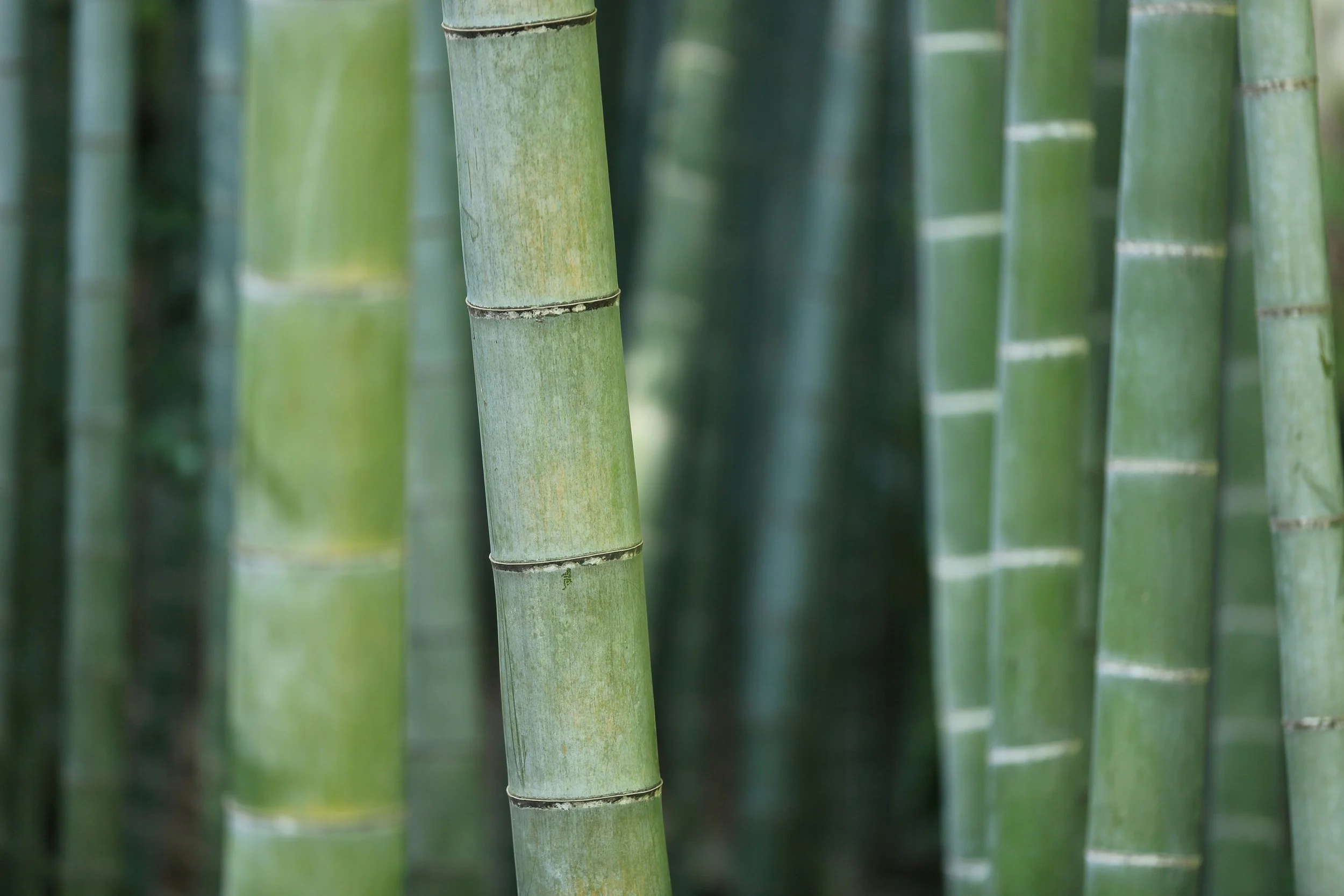
Although wood can technically be a sustainable resource, bamboo is much faster growing and can be even harvested without killing the plant itself. This makes it much quicker and easier to use and replenish.
The fastest growing species of bamboo is famous for growing up to 91cm in a single day, which is pretty incredible!
How Bamboo Toilet Paper Differs From Recycled Toilet Paper
One thing that bamboo based toilet paper and recycled toilet paper have in common is that they are both better for the environment.
While both types of toilet paper are known to be eco-friendly, recycled toilet paper tends to have the edge. For example, the 100% recycled toilet paper from Who Gives a Crap is created using school and office paper that’s already in circulation. As the material is already the same to begin with, this means that less energy is needed to turn recycled paper into toilet paper.
Although bamboo toilet paper is also an eco-friendly option, it does use slightly more energy and take more time to create, meaning that fully recycled toilet paper is actually slightly more sustainable.
On the other hand, bamboo toilet paper tends to be much more soft than recycled toilet paper. That’s because the bamboo it’s made from is brand new, with fibres that haven’t been hardened from use.
This means that both types of toilet paper have their pros and cons, but the key point is that they’re both much better for the environment than traditional toilet paper.
How Is Bamboo Toilet Paper Made?
Manufacturing bamboo toilet paper typically involves cutting the harvested bamboo stalks into pieces and turning them into a pulp. It’s then transformed in a factory from pulp, into usable sheets that are rolled into large logs, and cut into individuals rolls. Ideally, bamboo toilet paper is then secured in sustainable packaging, with minimal chemical use throughout the manufacturing process.
If sustainability is something that’s important to you, then make sure you check the brand’s website before purchasing. Manufacturing methods may vary depending on region and energy source.
Is Bamboo Toilet Paper Better Than Regular Toilet Paper?
Environmental Impact
Bamboo toilet paper is known to be much more environmentally friendly than regular toilet paper. This is because it’s created from a renewable material, bamboo, which requires less water and energy to manufacture. It also regrows much more quickly than the trees used to produce regular toilet paper.
Softness and Strength
While recycled toilet paper sometimes feels more rough than regular brands, bamboo is ideal for those who want a product that is soft and strong.
Bamboo based toilet paper is typically a strong material that’s also silky smooth to touch, which is great news for our skin, and stands strong when compared to traditional toilet paper.
Biodegradability and Plumbing
Bamboo toilet paper breaks down much faster than regular toilet paper, as it has shorter fibres that begin to degrade when they come in contact with water. Despite this, it’s still strong and durable enough for everyday use.
It’s good news for sewage systems around the world, which vary in quality and frequently become blocked by materials that take much more time to biodegrade. Regular toilet paper typical ends up in landfill, taking months or years to fully break down.
Chemical Exposure
Finally, bamboo toilet paper brands are generally more likely to avoid the use of harsh chemicals like bleach. Who Gives a Crap are particularly good for this, and their toilet paper is manufactured without ink, dyes or scents.
Bamboo toilet paper manufacturers also tend to use types of bleach that are less harsh than those used by regular toilet paper companies.
Cost and Accessibility
One of the main downsides of using bamboo toilet paper is that it can be more expensive to manufacture, and that cost is passed on to the customer. Your local supermarket will almost certainly stock regular toilet paper that is much cheaper to purchase, but won’t have any of the features that are beneficial for the environment or your own personal health.
Bamboo toilet paper can also have limited availability, depending on where you are located, although it is very quickly becoming more readily available.
Is Bamboo Toilet Paper Hypoallergenic and Healthier?
Yes, bamboo toilet paper is generally considered to be hypoallergenic. It’s also thought to be healthier due to its reduced use of harsh chemicals.
Bleach is regularly used in toilet paper manufacturing to produce that white look that customers expect. This often involves the use of harsh chemicals that can enter the body through our skin, and have an impact on our overall health. One of the best things about bamboo toilet paper is that brands will typically substitute these chemicals for alternatives that are kinder to the body.
The science of this can become quite complicated, but you can read more about it on the Who Gives a Crap website here. If you’re buying from a different brand, make sure to read up on their use of chemicals and before making a purchase.
Who Gives A Crap Review
Looking after the planet is something that’s important to me, and I’ve wanted to make the switch to a more sustainable toilet paper brand for a long time. Last summer I finally took the plunge, and after trialing Who Gives a Crap for more than six months, I don’t see myself looking back any time soon.
Sustainability Credentials and Donation Mission
Who Gives a Crap have an admirable company mission that focuses not only on sustainability, but also giving back and improving sanitation around the world.
On their website, Who Gives a Crap explain that 1 million trees are cut down each year, purely to be made into toilet paper. To tackle this, their toilet paper is made from either recycled fibres or bamboo - neither of which require felling trees for wood pulp.
The company also has the official credentials needed to back up their claims. This includes being B Corp and FSC certified, meaning that they are recognised internationally for their environmental and social impact.
As well as being sustainable, Who Gives a Crap also have a strong charitable mission. They currently donate 50% of their profits to their partners, with the aim of improving access to water and sanitation around the world. It’s a fantastic cause that I’m very happy to support!
Performance
There’s no point in buying toilet paper that doesn’t work, no matter how nobel their company mission is.
I’m pleased to report that both the 100% recycled and 100% bamboo toilet paper were strong and easy to use, while being soft and gentle on the skin. I was most impressed with how long each pack of toilet paper lasted, and I estimate that I only need to buy a box from them a few times a year, which is great.
I do admit that the bamboo toilet paper is softer, which is reflected in the higher price.
Packaging
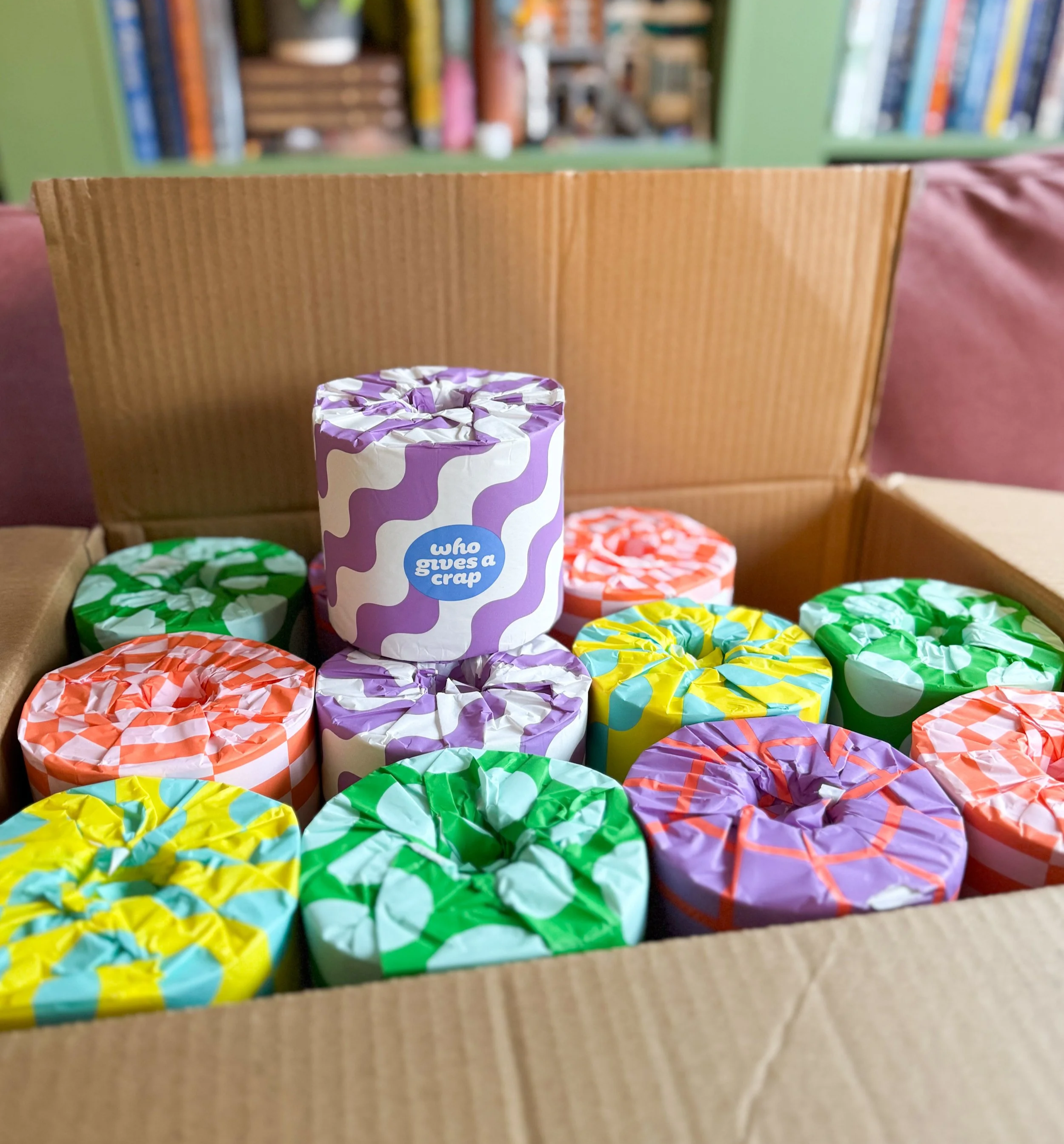
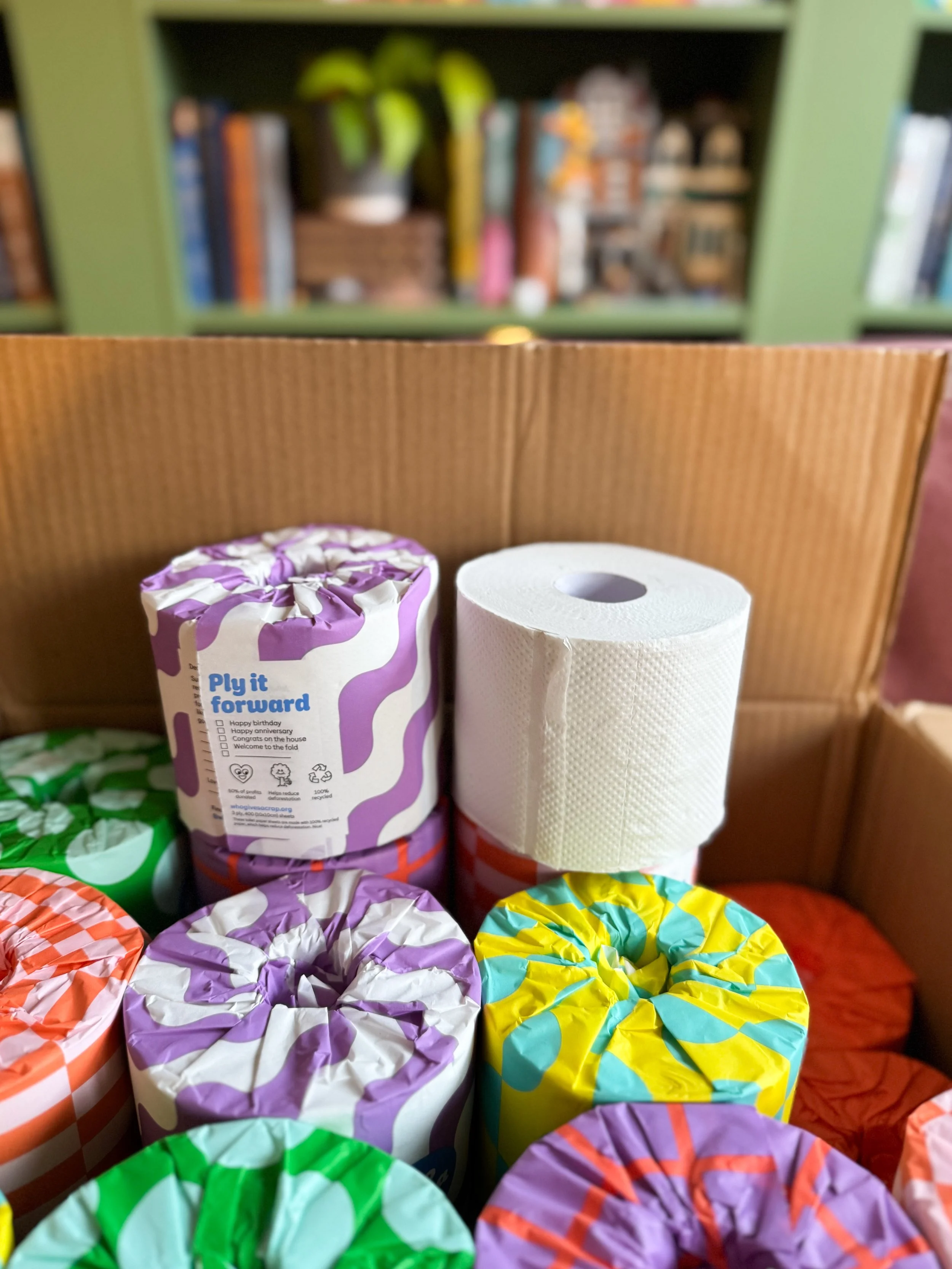
I absolutely love the Who Gives a Crap packaging, which is bold and eye catching. The main difference here between the recycled toilet paper and the bamboo toilet paper is that the 100% recycled rolls are wrapped in colourful tissue paper, while the bamboo rolls have a black and white print. I’ve photographed the recycled paper here, as it’s what we have in the cupboard at the moment!
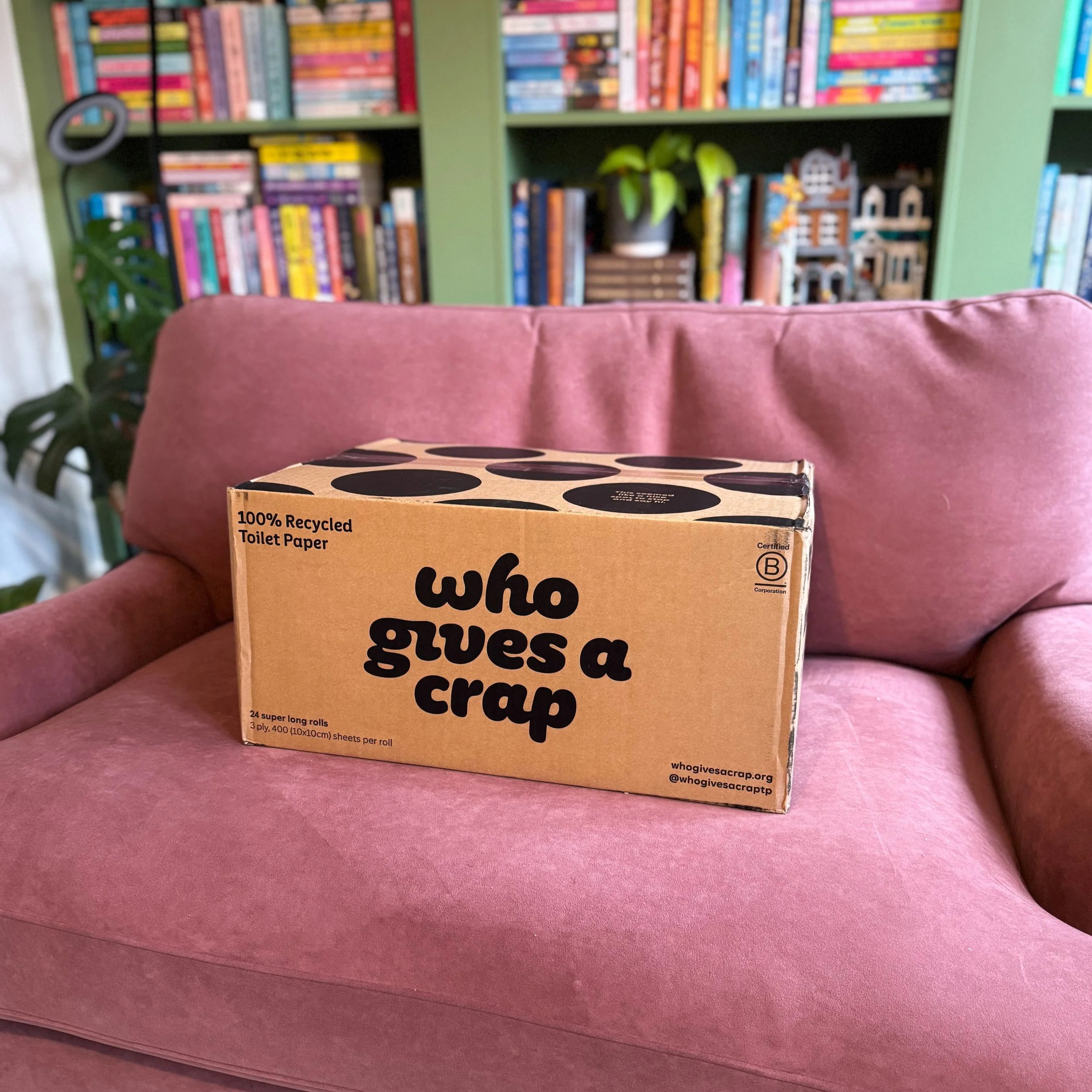
Each individual toilet roll is wrapped in tissue paper, and delivered in a branded cardboard box. The packaging is fun and completely recyclable, replacing the plastic that usually contains regular toilet paper in the supermarkets.
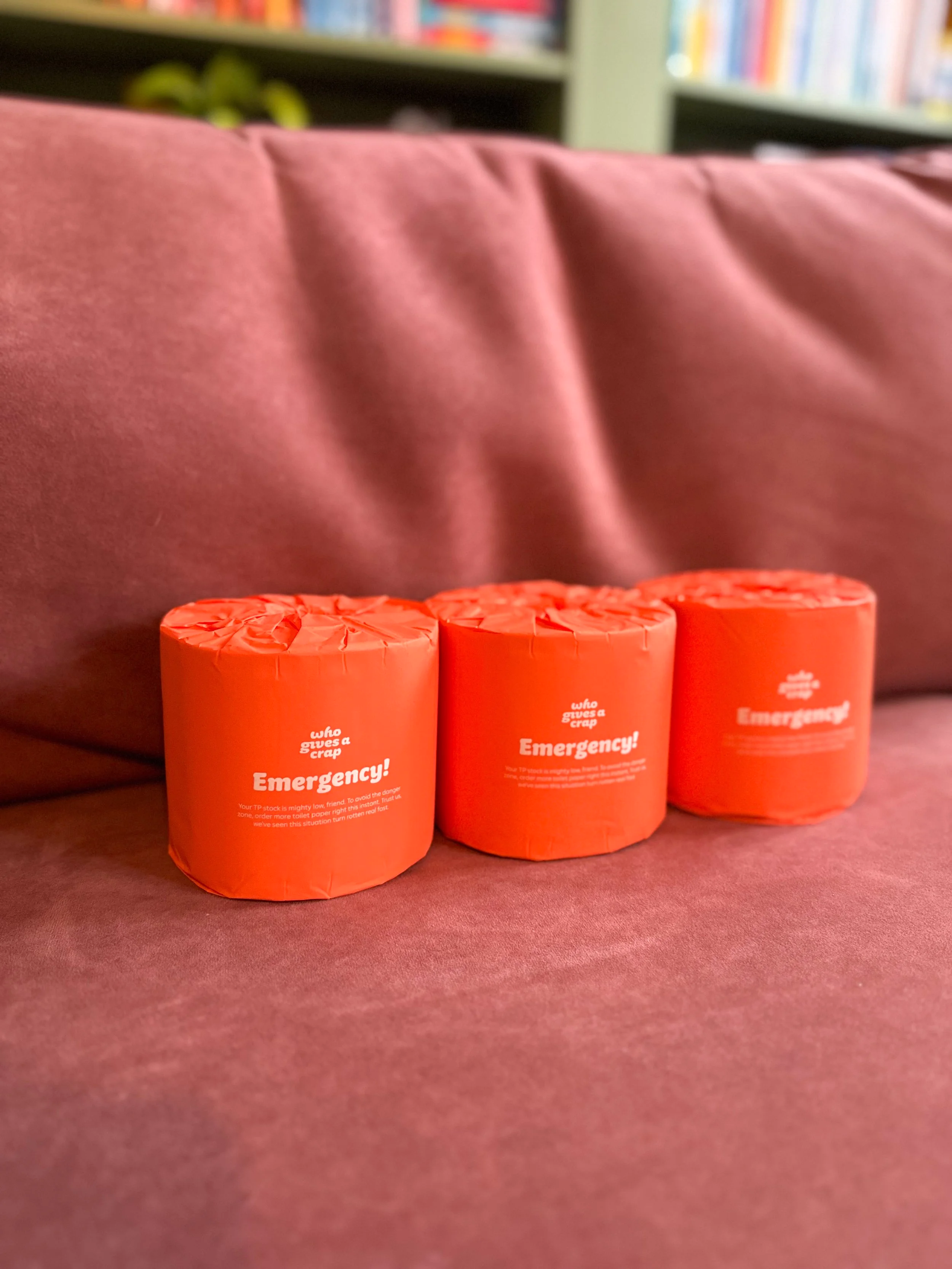
There are a few fun little touches too, with dedicated ‘emergency’ rolls wrapped in orange, and the option to send a toilet roll to a friend.
Price
This has to be one of the most important factors for me when deciding whether to make a purchase. The product in question doesn’t necessarily need to be cheap, but it does need to be affordable.
Although £30 for 24 rolls of toilet paper (currently £29.99 for the 100% recycled paper and £31.99 for the bamboo paper) does sound expensive, I did find that they lasted me a very long time. In contrast to the regular supermarket toilet paper, I definitely felt that I needed to make a purchase less often. To me, they really were worth the money when considering all of the factors together - the performance of the toilet paper, sustainability and charitable mission.
If you’re looking to make the switch yourself, then I definitely recommend choosing Who Gives a Crap!
Who Gives A Crap vs Other Bamboo Brands
Although I have only personally tried Who Gives a Crap, I thought it would be useful to show how they compare to other brands. Firstly, I checked the Which website to see whether real samples of their product lived up to their sustainability claims.
This study was carried out in 2023, but still holds weight as to the reliability of each of the brands.
Cheeky Panda: found to contain 100% bamboo
Bazoo: found to contain 26.10% bamboo, despite claiming to be 100% bamboo
Naked Sprout (now Naked Paper): found to contain 4% bamboo, despite claiming to use bamboo only
Bumboo: found to contain 2.7% bamboo, despite claiming to be 100% bamboo
Who Gives a Crap: found to contain 100% bamboo,
I found these statistics to be very shocking, and it just shows that you can’t always trust what a brand says.
I’ve also spent some time comparing the price, and found that there is generally little difference between them. While Who Gives a Crap are currently one of the most expensive, costing around £30 for a box of 24 toilet rolls, Bazoo currently charge £28 for the same quantity.
This is further reduced to £25.50 at Naked Paper for 24 rolls, and £23 at Bumboo. In contrast, Cheeky Panda offer a 24 pack for just £18.94.
FAQs About Bamboo Toilet Paper
Does bamboo toilet paper dissolve as well as regular toilet paper?
Bamboo toilet paper actually breaks down more quickly than regular toilet paper, as it begins to degrade when it comes into contact with water.
Is bamboo toilet paper septic-safe?
Yes, bamboo toilet paper is safe for use in septic tanks.
Is bamboo toilet paper really better for the environment?
The answer to this is yes, absolutely! Bamboo toilet paper is made from materials that are more sustainable, and the manufacturing process often uses less energy and water.
Is bamboo toilet paper safe for sensitive skin?
Everyone’s skin is different, so it’s difficult to give one defining answer. Generally, you will find that bamboo toilet paper is softer to use and contains fewer harsh chemicals, making it beneficial for your skin.
How does bamboo toilet paper price compare to regular toilet paper?
Bamboo toilet paper typically costs more than regular toilet paper, but isn’t necessarily super expensive. The exact prices will depend on where you live.
Are all bamboo toilet papers actually 100% bamboo?
This really depends on the brand. Some toilet paper companies like Who Gives a Crap and Cheeky Panda do use 100% bamboo in their products. Others actually have very little bamboo in their toilet paper, and their advertising can be misleading.
Make sure to do some research before purchasing if you want to ensure that your toilet paper is definitely 100% bamboo!
Thank you for reading my deep dive into bamboo toilet paper and the many reasons why it’s better for our health and for our planet.
Click here to get your hands on some Who Gives a Crap planet friendly toilet paper.
More Product Reviews
Stay22 Affiliate Program: Referral Bonus and Review
Nordace Siena Pro Backpack Review